
Real estate
Buying a waterfront home in West Linn: what to know before you fall in love
River protection rules, flood zones, flood insurance and dock permits. The questions to ask before you buy a home on the Willamette or Tualatin in West Linn.
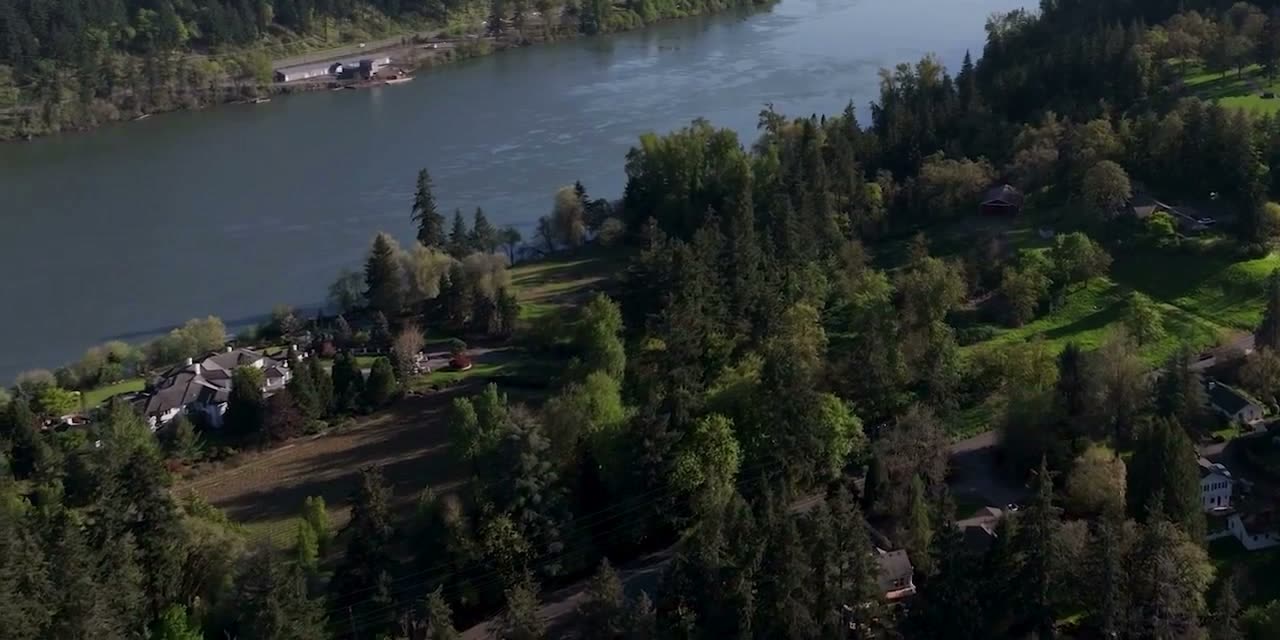
Have you ever pictured your morning coffee on a deck over the river and thought, “That’s the one”? I understand. West Linn sits between the Willamette and the Tualatin, and a home on the water here is something special.
It also comes with rules most inland homes never deal with. Knowing them before you write an offer can save you real money and heartbreak.
River protection rules come with the land
West Linn’s riverfront falls under a special overlay in the city’s development code, Chapter 28, the Willamette and Tualatin River Protection rules. The overlay covers the Willamette Greenway, land within 200 feet of the Tualatin’s low water line, and the Tualatin’s 100-year floodplain.
In plain terms, if a lot in that area includes protected habitat, building projects usually need a city permit first. The code as published online also lists limits that matter to buyers:
- No floating homes or houseboats in the protected area.
- One dock per riverfront lot, with limits on how far it can extend.
- Setbacks from the top of the bank and caps on how much of the lot can be paved or built over.
Those details can change, so confirm the current code with the city’s planning department before you count on adding a dock, a deck or an addition.
Flood zones and the 1996 flood
West Linn’s flood rules, Chapter 27, draw their lines from FEMA’s flood maps for Clackamas County and from the area that actually flooded in February 1996, along with other lands with documented flooding. The city updated those rules in 2022 after a state review found the old version fell short of FEMA’s minimums.
For a buyer, that means:
- Look up the home on FEMA’s Flood Map Service Center before you make an offer.
- Ask the seller and the city whether the property flooded in 1996 or since.
- If you’re planning to build or substantially remodel, expect elevation rules for new living space in flood areas.
Flood insurance is its own policy
FEMA says it plainly: most homeowners insurance does not cover flood damage. Flood coverage usually comes from a separate policy, often through the National Flood Insurance Program, and lenders may require it if a home sits in a high-risk zone.
Get a flood insurance quote during your inspection period, not after closing. The cost belongs in your monthly budget alongside the mortgage and taxes.
Docks and bank work need state permits
Anything that adds or removes material from a riverbed or bank, like a new dock or rock to stop erosion, usually needs a removal-fill permit from the Oregon Department of State Lands in salmon habitat waters. Federal permits may also apply. If a listing says “dock possible,” treat that as a question, not a promise.
A short checklist before you buy
- Confirm whether the lot is in the river protection overlay.
- Check the FEMA flood zone and ask about past flooding.
- Get a flood insurance quote.
- Ask what permits exist for any dock, deck or bank work already there.
- Walk the property after a heavy rain if you can.
Worth it, with eyes open
None of this should scare you off. It just means a waterfront purchase deserves a little more homework than most.
If you’re dreaming of a home on the water, you don’t have to sort through the code alone. I’m glad to help you ask the right questions on any property you’re considering. Reach out any time.